Dimensions
The Overworld, the Nether and the End as places with a history: what each one offers, what it costs to live there, and how the three are tied together.
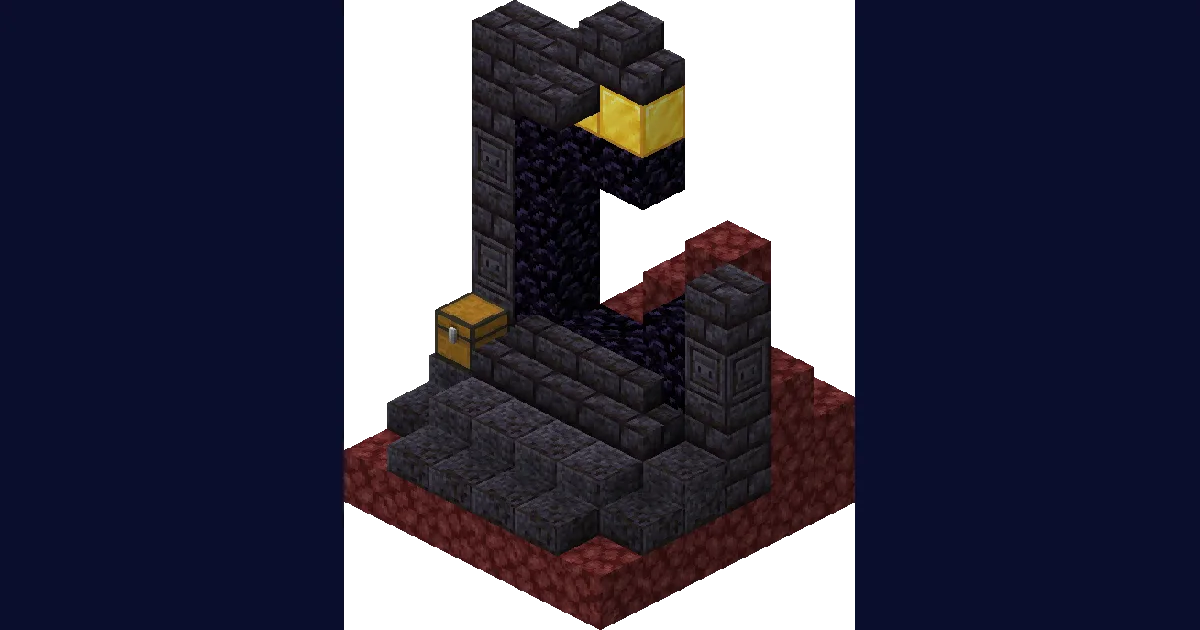
All 4 Dimensions articles
Pick one to read. Every article opens with what the game shows and says where the evidence stops.

The Connection Between Dimensions
The Overworld, Nether, and End are linked by portals, shared mobs, and parallel geography. Are they three parts of one world, or three separate realities?

The Overworld: What We Know
The Overworld is Minecraft's starting dimension -- forests, oceans, caves, and ruins. But beneath its familiar surface lies a world with a hidden history.


The Nether: A Fallen Civilization
The Nether is more than a lava-filled hellscape. It is a dimension with biomes, ruins, and a civilization that once thrived there before something went wrong.

The End: Prison or Sanctuary?
The End is a barren void dimension with a dragon, Endermen, and empty cities. Is it a prison for the damned, a sanctuary for refugees, or something else entirely?
Minecraft has three worlds and they are not equal. The Overworld is designed to be lived in, the Nether punishes you for staying, and the End barely wants you there at all. These pages treat each one as a place with a history rather than as a set of biomes to farm, and the fourth page asks what ties them together.
The comparison is worth doing because of how much the three share. Portals link them, blocks cross between them, and every one of them contains ruins of something that came before the player. Whatever happened in Minecraft's past, it happened in all three.
Reading a dimension as a place
The most useful question to ask about any Minecraft dimension is what it would take to live there. The Overworld gives you water, wood and daylight. The Nether gives you none of those and still has Bastion Remnants, Nether Fortresses and a Piglin economy, which means somebody solved the problem. The End gives you almost nothing and still has cities with towers, ships and loot.
Read that way, the three stop being difficulty tiers and start being evidence. Each contains structures that took planning, materials and time, in a world where the only person capable of that is the player who just arrived.
Related from other categories
The articles on this page point at these, and they live elsewhere on the site.
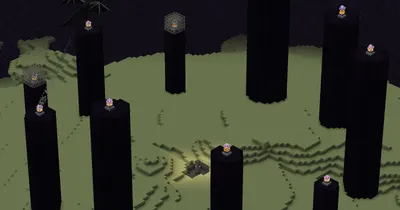
The End Poem: Analysis and Meaning
Objects and Texts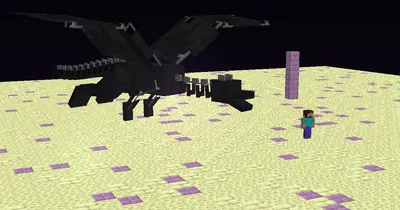
The Ender Dragon: Lore and Significance
Creatures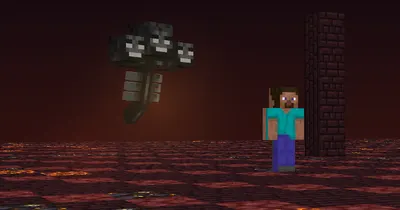
The Wither: Origin and the Soul Sand Connection
Creatures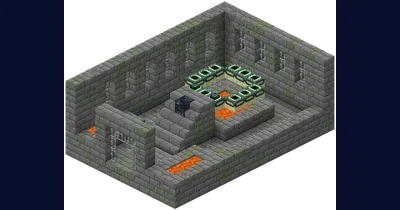
Strongholds: Purpose and Origin
Places and Structures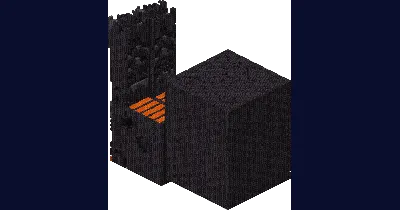
Piglin Civilization and the Nether's Past
Creatures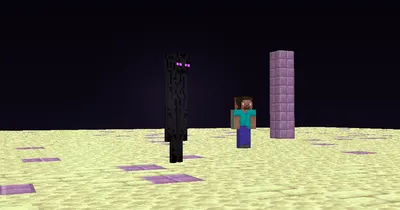
Enderman: Origin and Behavior Lore
Creatures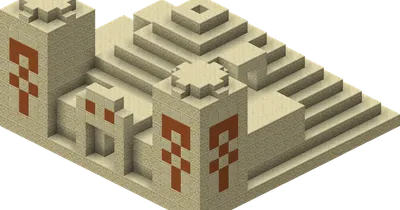
The Ancient Builders Theory
People and Myths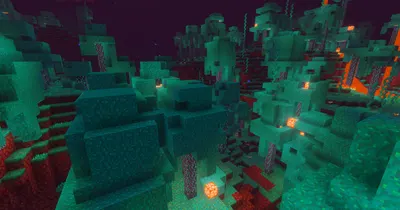
Enderman Behavior: A Detailed Analysis
Creatures
The Dragon Egg: Significance and Mystery
Objects and Texts
The Nether Star and the Wither Connection
Objects and Texts
Other lore categories
- CreaturesEvery mob with a story behind it: bosses, the mobs whose origin is documented, the two peoples of the Overworld and the Nether, and the question of where hostile mobs come from at all.
- Places and StructuresThe places somebody built and then left: Ancient Cities under the deep dark, Trial Chambers that still run without anyone in them, and Strongholds dug around a portal frame.
- Objects and TextsThe objects whose rules only make sense as a story, and the writing the game leaves for you to read: the Dragon Egg, the Nether Star, ancient debris, pottery sherds, the music discs and the End Poem.
- People and MythsWho else was here. The lost civilisation the ruins imply, the identity of Steve and Alex, and the one figure the community invented and Mojang has denied for over a decade.
- TimelineA chronological reconstruction of Minecraft's lore events, from the earliest civilisations to the present day.


