Archaeology: Suspicious Sand, Gravel, and Lost History
Minecraft's archaeology system lets you brush away sand and gravel to uncover pottery sherds, armor trims, and relics. Each shard tells a story of the past.
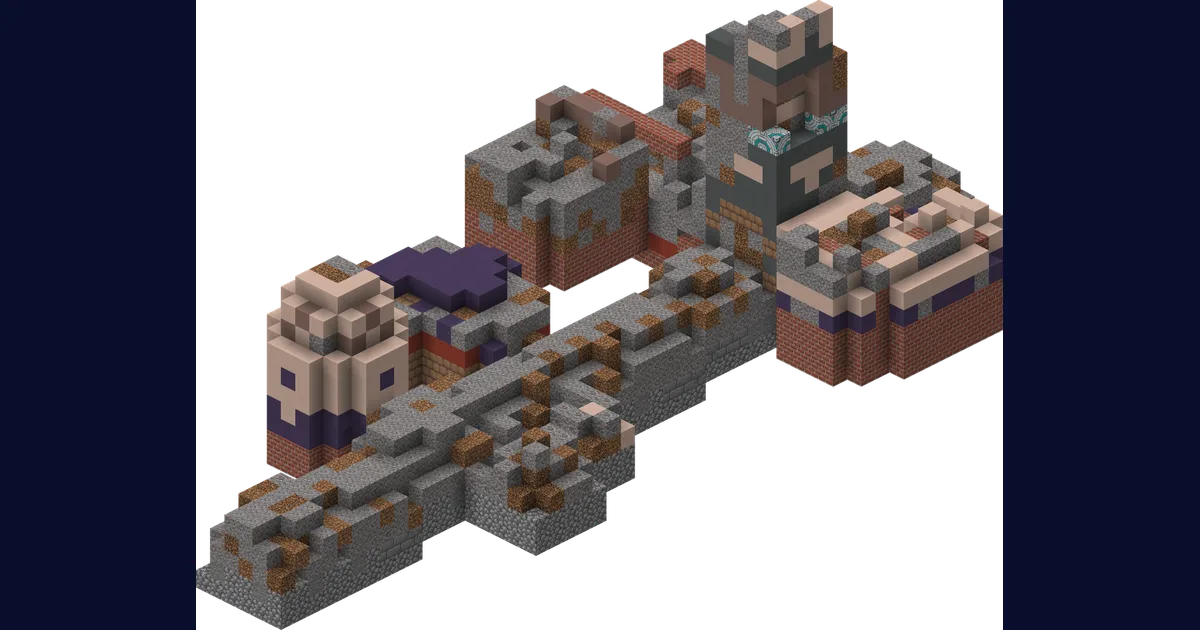
Update 1.20 (Trails and Tales) introduced archaeology to Minecraft. Players can use a Brush tool on Suspicious Sand and Suspicious Gravel blocks found in various structures to uncover hidden items: pottery sherds, armor trims, music discs, and other artifacts. This system transformed certain structures from simple loot sources into archaeological sites with stories embedded in their debris.
Suspicious Blocks
Suspicious Sand and Suspicious Gravel look nearly identical to their regular counterparts but have a slightly different texture. They generate in specific structures: Desert Temples, Desert Wells, Ocean Ruins, Trail Ruins, and Cold Ocean Ruins. Brushing them with a Brush tool slowly reveals the item inside. If the block is broken by gravity or mining, the item is destroyed.
The placement of suspicious blocks is deliberate. They appear in locations where items would naturally accumulate over time: sand drifts in temples, gravel deposits in ruins, layers of sediment in underwater structures. The game is simulating the process of archaeological excavation. These items were buried by time, not by design.
Pottery Sherds
Pottery sherds are fragments of decorated pottery found through brushing. Each sherd has a unique design depicting an animal, object, or symbol. Four sherds can be combined in a crafting table to create a Decorated Pot, a decorative block that shows the sherd designs on its sides.
The sherd designs are narratively rich. They depict things like swords, hearts, skulls, explorers, and various animals. When arranged on a pot, they tell visual stories: a journey through dangerous lands, encounters with creatures, moments of discovery or loss. The pottery system is Minecraft's most explicit form of storytelling. These are artifacts created by people who wanted to record their experiences.
Trail Ruins
Trail Ruins are buried structures found underground, primarily beneath Taiga, Snowy Taiga, and Old Growth biomes. They consist of paths, towers, and small buildings made from various terracotta and colored blocks. They are almost entirely buried, requiring significant excavation to uncover.
Trail Ruins are remarkable because they are the first structures in Minecraft that are explicitly old enough to have been buried by geological processes. Other structures are abandoned but still exposed. Trail Ruins are lost. They disappeared beneath the earth over centuries or millennia, and only the archaeology system allows you to find them.
The variety of terracotta colors and designs in Trail Ruins suggests a culture that valued art and decoration. These were not military installations or industrial sites. They were settlements where people lived, traveled, and created.
Armor Trims
Armor trims are cosmetic patterns that can be applied to armor using smithing templates found in various structures. Each template has a unique design tied to the structure it comes from: the Ward pattern from Ancient Cities, the Sentry pattern from Pillager Outposts, the Vex pattern from Woodland Mansions, and so on.
The structure-specific nature of these trims implies that different cultures had different aesthetic traditions. The Ancient City builders favored one style. The Pillagers favored another. The builders of Trail Ruins had their own. Armor trims are, in effect, cultural artifacts: proof that Minecraft's world was once home to diverse, distinct civilizations.
What Archaeology Tells Us
The archaeology system confirms what the game has always implied: the Minecraft world has a deep past. People lived here. They built structures, created art, recorded their experiences on pottery, and eventually disappeared. The player is not the first intelligent being in this world. They are an archaeologist in a world of ruins, uncovering the stories of those who came before.
More in Objects and Texts
The pages closest to this one first, including anything from another category that points here, and then the rest of Objects and Texts, the category this article belongs to.
Closest to this page
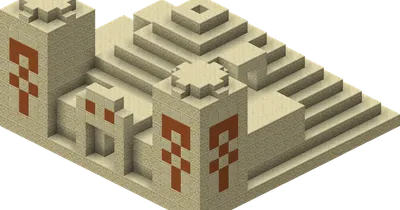
The Ancient Builders Theory
 The Ancient Builders Theory
The most popular Minecraft theory: a lost civilization built the Strongholds, Temples, and Nether Fortresses before vanishing. Where did they go?
8 min read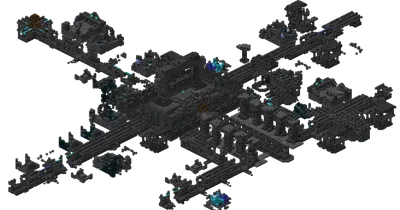
Ancient Cities and the Warden Backstory
The deep dark biome, the sculk network, and the Warden: what the Ancient Cities tell us about a lost civilization that dug too deep.
7 min read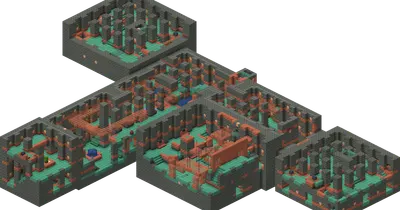
Trial Chambers and the Breeze
 Trial Chambers and the Breeze
The mysterious Trial Chambers from update 1.21, the wind-based Breeze mob, and the automated challenge system left behind by unknown builders.
5 min read
 The End Poem: Analysis and Meaning
 The Meaning Behind Minecraft's Music Discs
 The Dragon Egg: Significance and Mystery
 The Nether Star and the Wither Connection
 Ancient Debris and Netherite: Who Made It?
 Strongholds: Purpose and Origin
 Pillagers and Illagers: A Fallen Civilization
 Piglin Civilization and the Nether's Past
 Enderman: Origin and Behavior Lore